Social Security Tax: How It Affects Your Paycheck
Social Security payroll tax is 6.2% of wages up to $184,500 in 2026. See how it is calculated, when the cap turns it off, and self-employment rules.
Social Security tax — labeled as OASDI (Old-Age, Survivors, and Disability Insurance) on most paystubs — is a mandatory 6.2% federal payroll tax. In 2026, the statutory wage cap is $184,500. Below is everything you need to know about how Social Security tax affects your paycheck, how employers match it, and when high earners stop paying it.

2026 Social Security Tax Rate, Wage Base Limit & Maximum Contribution
The key statutory parameters for Social Security payroll tax in 2026 are established by the Social Security Administration (SSA):
| Parameter | 2026 Statutory Amount |
|---|---|
| Employee Tax Rate | 6.2% of gross FICA wages |
| Employer Matching Rate | 6.2% of gross FICA wages (total 12.4%) |
| 2026 Wage Base Limit (Cap) | $184,500 (up from $176,100 in 2025) |
| Maximum Employee Tax (Annual) | $11,439.00 ($184,500 × 6.2%) |
| Self-Employed (SECA) Tax Rate | 12.4% (both employee + employer shares) |
What Earnings Count Toward Social Security Taxable Wages?
Under federal tax law, not all deductions reduce Social Security taxable wages:
- Included in Social Security Wages: Base salary, hourly wages, overtime pay, shift differentials, tips, performance bonuses, sales commissions, and taxable fringe benefits.
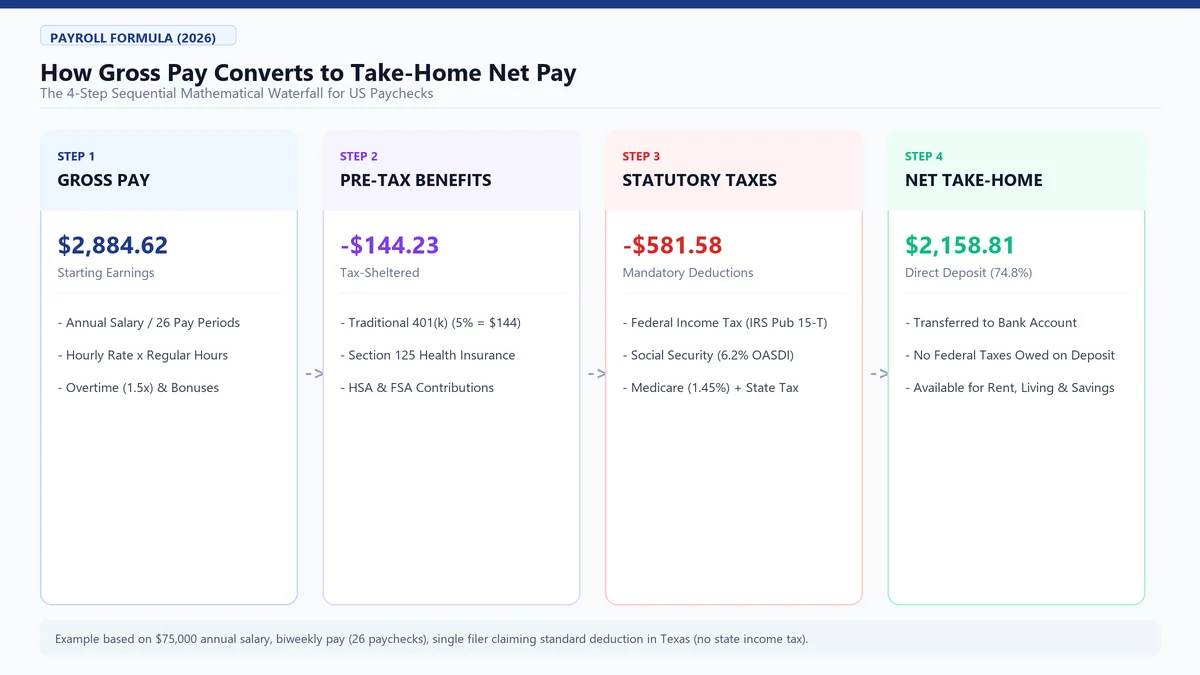
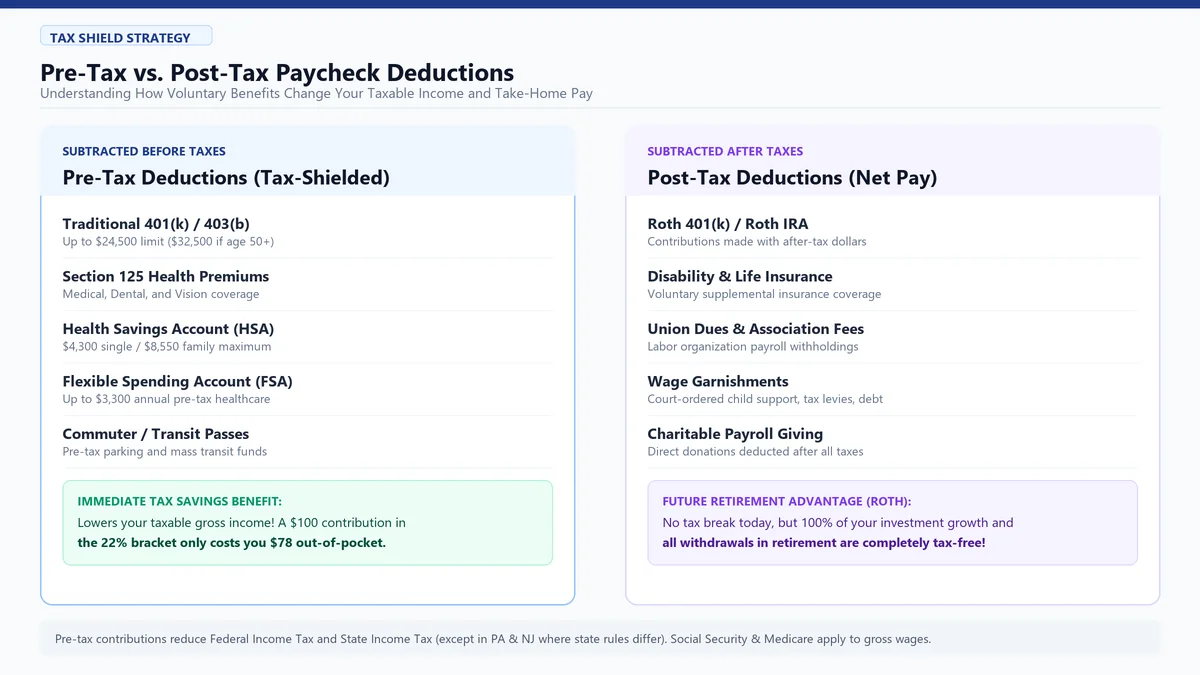
- Traditional 401(k) Does NOT Reduce FICA Wages: Elective deferrals to traditional 401(k), 403(b), or 457(b) retirement plans reduce federal and state income taxes, but are fully subject to the 6.2% Social Security tax.
- Section 125 Pre-Tax Benefits DO Reduce FICA Wages: Employer-sponsored health, dental, and vision insurance premiums, HSA contributions, and Healthcare FSAs reduce your Social Security taxable wage base dollar-for-dollar.
Social Security Tax Breakdown by Income & Pay Frequency
The table below details exactly how much Social Security tax is withheld per paycheck across common salary levels:
| Annual Gross Salary | Annual SS Tax (6.2%) | Biweekly SS Tax (26 Checks) | Monthly SS Tax (12 Checks) |
|---|---|---|---|
| $40,000 / yr | $2,480.00 | $95.38 / check | $206.67 / month |
| $60,000 / yr | $3,720.00 | $143.08 / check | $310.00 / month |
| $80,000 / yr | $4,960.00 | $190.77 / check | $413.33 / month |
| $120,000 / yr | $7,440.00 | $286.15 / check | $620.00 / month |
| $184,500 / yr (Cap) | $11,439.00 (Max) | $439.96 / check | $953.25 / month |
| $250,000 / yr | $11,439.00 (Capped) | $0 after Week 39 | $0 after Month 9 |

The High-Earner Social Security Cap Milestone (+6.2% Take-Home Pay Bump)
For employees earning more than $184,500 in 2026, Social Security tax ceases once year-to-date earnings reach the cap:
- $200,000 Salary ($7,692.31 biweekly): Hits the $184,500 cap on Check #24 (late November), increasing net pay by +$476.92 per check for the final two checks of the year.
- $250,000 Salary ($9,615.38 biweekly): Hits the cap on Check #20 (late September), delivering an extra +$596.15 per check across the final 6 biweekly paychecks.
- $350,000 Salary ($13,461.54 biweekly): Hits the cap on Check #14 (early July), providing an extra +$834.62 per check for nearly half the year.
Switching Employers Mid-Year: Claiming Excess Social Security Tax Refunds
If you switch employers during the calendar year and your combined earnings exceed $184,500, each employer is legally required to withhold 6.2% without regard to what your previous employer withheld:
- Over-Withholding Scenario: Employer A pays $120,000 (withholding $7,440). Employer B pays $100,000 (withholding $6,200). Total Social Security withheld = $13,640 ($2,201 above the $11,439 maximum cap).
- Claiming the Refund: You cannot ask Employer B for a refund. Instead, claim the full excess on Form 1040, Schedule 3, Line 11 (Excess Social Security and Tier 1 RRTA tax withheld). This reduces your income tax dollar-for-dollar or increases your refund.
When Social Security Tax Stops
Social Security tax stops after your year-to-date wages reach $184,500. A person earning $250,000 paid biweekly reaches the cap during paycheck 20, after which each check is larger by 6.2% of gross pay. The maximum employee tax for 2026 is $11,439. Employers pay a matching amount.
How Social Security Connects to Your Benefits
Your wages up to the wage base are recorded on your earnings record and used to compute retirement, disability and survivor benefits. Working 40 credits (about ten years) generally qualifies you for retirement benefits. You can check your record at ssa.gov.
Social Security Tax and Pre-Tax Benefits
Health premiums and HSA contributions through a cafeteria plan reduce Social Security wages, so you pay slightly less tax. A traditional 401(k) contribution does not. If you turn 62 or older, this tax still applies to your wages while you work.
Frequently Asked Questions
What is the 2026 Social Security tax rate and wage base cap?
In 2026, the Social Security tax rate is 6.2% on earnings up to the wage base limit of $184,500, making the maximum annual employee tax $11,439.00.
Does my employer match my Social Security tax?
Yes. By law, your employer pays an identical 6.2% match on your wages up to $184,500, bringing total contributions to 12.4%.
Does contributing to a 401(k) reduce Social Security tax?
No. Traditional 401(k) contributions reduce federal and state income taxes, but do NOT reduce wages subject to Social Security or Medicare taxes.
What happens when I hit the Social Security cap?
Once your cumulative year-to-date earnings exceed $184,500, Social Security withholding stops completely, boosting your net take-home pay by 6.2% for the remainder of the calendar year.
How do I get a refund if I worked two jobs and paid too much Social Security tax?
Claim the excess amount on Form 1040, Schedule 3, Line 11 when filing your annual tax return. The IRS will credit the overpayment toward your tax bill or refund.
How much Social Security tax do self-employed individuals pay?
Self-employed workers pay the full 12.4% SECA tax (both employee and employer shares) on net business earnings up to $184,500, but can deduct half the tax on Form 1040 Schedule 1.
When does Social Security tax stop each year?
After your wages for the year pass $184,500. For a biweekly earner at $250,000 that is roughly paycheck 20.
How these numbers are figured: 2026 IRS withholding rules (Publication 15-T) and state figures last verified September 2026. Results are estimates. Read the full methodology and sources.